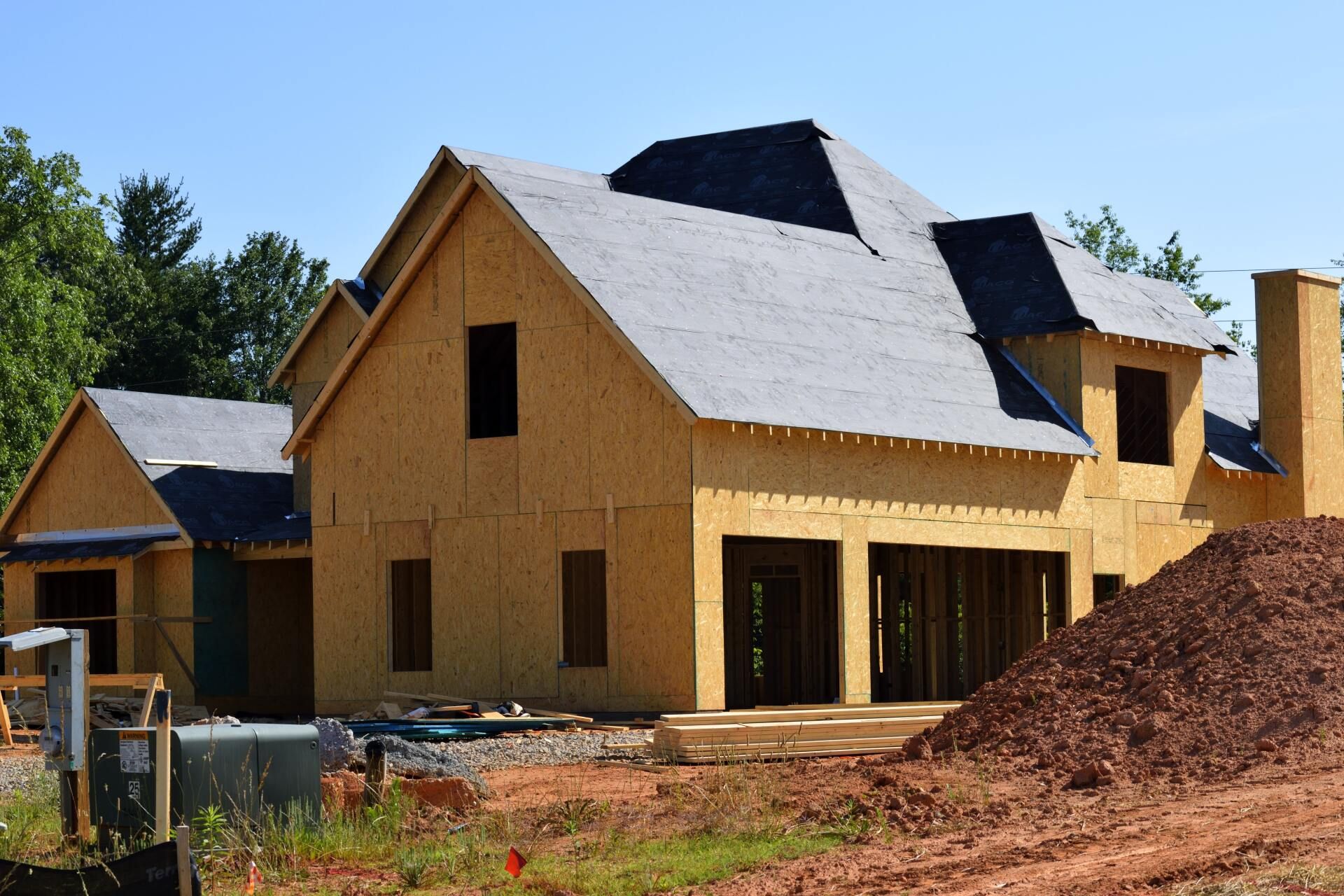
Sell A House With Code Violations In Hawaii
Facing a DPP Notice of Violation or code enforcement fines in Hawaii? Hawaii Home Buyers makes a fast cash offer and takes on the violations, no repairs required.
Sell A House With Code Violations In Hawaii
A code violation can turn a manageable property into a growing financial problem fast. Once the Honolulu Department of Planning and Permitting (DPP) or your county's enforcement office issues a Notice of Violation, the clock starts, and every day the issue goes unresolved can add to the fines attached to your property.
If you've received a Notice of Violation, a Notice of Order, a stop work order, or you're staring down daily civil penalties you can't keep up with, selling the house is often the cleanest way out. But most traditional buyers won't touch a property with open violations, and their lenders usually won't finance one either.
At Hawaii Home Buyers, we buy houses with code violations as-is, in cash, and take on the violations ourselves. Whether the issue is unpermitted construction, an illegal dwelling unit, a zoning violation, an overgrown or unsanitary property, or a cesspool that's out of compliance, we can move forward without asking you to fix anything or clear the violation first.
Need to sell a house with code violations in Hawaii? Call us at
808-444-3039
or visit
our
Contact
page to get a fair cash offer today.
Get Your Free Cash Offer
Contact Us
We will get back to you as soon as possible.
Please try again later.
How Code Enforcement Works in Hawaii
Understanding where you are in the enforcement process helps you decide how quickly you need to act. On Oahu, the DPP handles most code enforcement, and the neighbor island counties follow similar steps.
Notice of Violation
The process usually starts with a Notice of Violation served in person or by certified mail. It identifies the problem and requires you to bring the property into compliance by a set deadline.
Notice of Order and Civil Fines
If the violation isn't corrected, the building official issues a Notice of Order, which typically becomes final 30 calendar days after it's served. At this point civil fines begin accruing, and they can add up quickly, especially on serious violations.
Daily Penalties That Keep Growing
Many violations carry per-day fines for every day the problem persists. Under Honolulu's monster-home enforcement measure (Bill 44), for example, penalties can reach up to $3,000 for a discovered violation plus up to $3,000 per day the violation continues, along with a two-year moratorium on new permit applications.
Fines Become a Lien on the Property
Unpaid civil fines don't just go away. The city can pursue a civil action to enforce them, and the penalties attach to the property itself, which means they follow the property to the next owner if they aren't resolved.
Escalation for Repeat Violations
Honolulu's code includes escalating consequences for owners who accumulate multiple orders within a three-year period, and stop work orders can be enforced by the police, with some violations carrying criminal exposure.
Because these penalties compound over time and attach to the property, the longer a violation stays open, the more it eats into your equity.
Common Code Violations We See in Hawaii
Code violations come in many forms, and some are inherited from a previous owner or a contractor who cut corners years ago. The most common situations we help with include:
Unpermitted Construction
Work done without a permit is one of the most common triggers for a violation. If your situation centers on additions or structures built without permits, our page on selling a house with unpermitted work in Hawaii covers that specific issue in more detail.
Illegal Dwelling Units and Rentals
Converting a garage, basement, or enclosed lanai into a separate living space or rental without proper approval is a frequent violation, especially in high-demand rental areas on Oahu.
Zoning and Land Use Violations
Using a property in a way that doesn't match its zoning, such as running a business in a residential zone or exceeding density limits, can bring enforcement action.
Health, Sanitation, and Overgrowth Violations
Overgrown lots, accumulated junk, abandoned vehicles, and unsanitary conditions all fall under code enforcement. These often overlap with hoarder properties and vacant homes that have fallen into disrepair.
Cesspool and Wastewater Violations
With Hawaii's mandate to phase out cesspools, wastewater compliance is an increasingly common issue, particularly on older and rural properties.
Building and Safety Code Violations
Structural problems, electrical or plumbing work that doesn't meet code, and unsafe conditions can all generate violations, and they often overlap with structural issues that make a traditional sale even harder.
Why Code Violations Make a House Hard to Sell
Selling a house with open violations through the traditional market is difficult, and the reasons usually surface early in the process.
Lenders Won't Finance It
Most mortgage lenders won't approve a loan on a property with unresolved code violations or safety issues. That removes the majority of buyers from the equation before they even see the house.
Buyers Don't Want the Liability
Because violations and their fines attach to the property, a buyer who purchases the home inherits the problem. Most traditional buyers walk away rather than take that on.
Disclosure Requirements
Hawaii's seller disclosure obligations mean you have to disclose known violations to potential buyers. That's the right thing to do, but it also makes a conventional sale even harder.
The Fines Keep Growing While You Wait
A traditional listing can take months, and if your violation carries daily penalties, every month on the market adds to what you owe. A slow sale can quietly erode the equity you're trying to protect.
Compounding Problems
Code violations rarely travel alone. They often come alongside
title issues, an
inherited property that fell out of compliance, or a
distressed property that needs more work than the owner can manage.
Options for Selling a House With Code Violations in Hawaii
When you're dealing with open violations, you generally have a few paths to choose from. The right one depends on your timeline, your budget for corrections, and how fast the fines are accruing.
Fix the Violations and Then Sell
You can bring the property into compliance, pay any fines, and then list it. This is the cleanest path for resale value, but corrections can be expensive and slow, permit and inspection timelines add months, and the daily fines keep running while you wait for the work to finish.
List the Property As-Is on the Market
You can try to sell as-is at a discount, but you'll be limited to cash buyers and investors, and you'll likely face lowball offers, repeated price reductions, and buyers who back out once they understand the violation. If your listing has already stalled, our guide on what to do when your home won't sell covers why this happens.
Sell Directly to a Cash Buyer
Selling to a company like Hawaii Home Buyers is often the fastest way to stop the fines from growing. We buy the property as-is, without inspection contingencies, take on the open violations, and close on your timeline, so you can walk away before the penalties eat further into your equity.
Selling a Property With Violations You Inherited or Can't Afford to Fix
Many of the code violation cases we handle come from owners who didn't create the problem. They inherited a property that a relative let fall out of compliance, they're working through probate on a home with open violations, or they simply can't afford the corrections the city is demanding.
These situations are stressful, especially when fines are accruing and you're not even sure how the property fell out of compliance in the first place. We handle all of it. You don't need to research the violation history, pull decades-old permit records, or spend money bringing the property into compliance before talking to us. If the property is also behind on mortgage payments or heading toward foreclosure, moving quickly can help you get out before the costs stack up further.
Why Pick Hawaii Home Buyers for a Code Violation Sale
At Hawaii Home Buyers, we understand how code enforcement works across the islands, including how quickly fines can compound. Our team makes selling your house fast, fair, and stress-free, even with open violations on the property.
- Local Real Estate Expertise: We know how the DPP and the neighbor island enforcement offices operate, so we can move forward without surprises.
- Fast, Transparent Selling: No waiting months for buyers or dealing with hidden fees. Our process is clear and quick from start to finish.
- Buying Homes As-Is: Skip the permits, corrections, and compliance work. We'll buy your home exactly as it is.
- Support for Every Situation: Whether you're facing a monster-home penalty, an illegal dwelling violation, or an inherited property that fell out of compliance, we're here to help.
- 24-Hour Cash Offers: Get a fair, no-obligation cash offer within one day so you can act before the fines grow.
- Flexible Closing Dates: You decide when to close. We work around your timeline, not the other way around.
Sell Your Hawaii House With Code Violations With Ease
If you're ready to sell a Hawaii property with open code violations without paying for corrections or watching the fines climb, our team is here to help. Call us today at
808-444-3039 or reach out through
our Contact page to get your fair cash offer and move forward with confidence.
Testimonials from Happy Homeowners
Testimonials
GOOGLE REVIEWS
GOOGLE REVIEWS